The 2026 Longevity Economy: From Biohacking to Boardroom
For the past decade, the pursuit of longevity was a fringe activity—a subculture of silicon valley billionaires injecting young plasma and biohackers tracking their sleep data on spreadsheets. It was expensive, eccentric, and largely anecdotal. But as we settle into 2026, the landscape has shifted. Longevity has graduated from a hobby to an asset class.
Explore Lexicon Labs Books
Discover current releases, posters, and learning resources at http://lexiconlabs.store.
Conversion Picks
Interested in health and longevity topics? Start here:
The "Silver Tsunami" we were warned about has arrived, but it looks different than predicted. Instead of a burden on the healthcare system, the aging population is driving a multi-trillion-dollar market focused not on extending lifespan (years alive) but on extending healthspan (years of functional vitality). The distinction is critical. We are no longer trying to add years to the end of life; we are trying to widen the middle.

Figure 1: The code of life is now a read/write format.
The New Metrics of Vitality
The defining trend of 2026 is the quantification of biological age. We have moved beyond BMI and cholesterol checks. The new standard involves continuous monitoring of inflammation markers, VO2 max, and carotenoid levels. Tools like the Galleri test (for multi-cancer early detection) and epigenetic clocks (like DunedinPACE) are becoming as standard as a blood pressure cuff.
This shift has given rise to specialized platforms. For instance, sites like lifemeter.xyz have emerged as neutral aggregators, tracking the efficacy of longevity protocols without the noise of supplement marketing. By focusing on verifiable biomarkers rather than "wellness" buzzwords, these platforms provide the dashboard for the modern human vehicle.
The Corporate Pivot: Health as Human Capital
Perhaps the most surprising entrant into the longevity space is the Fortune 500 HR department. In a tight labor market, companies are realizing that the health of their senior talent is a strategic risk. Executive burnout is expensive; executive resilience is profitable.
We are seeing a trend where corporate benefits packages include subscriptions to longevity clinics, continuous glucose monitors (CGMs), and sleep coaching. This isn't altruism; it's economics. McKinsey estimates the economic value of optimizing employee healthspan is between $3.7 trillion and $11.7 trillion globally. A workforce that doesn't cognitively decline at 55 is a competitive advantage.
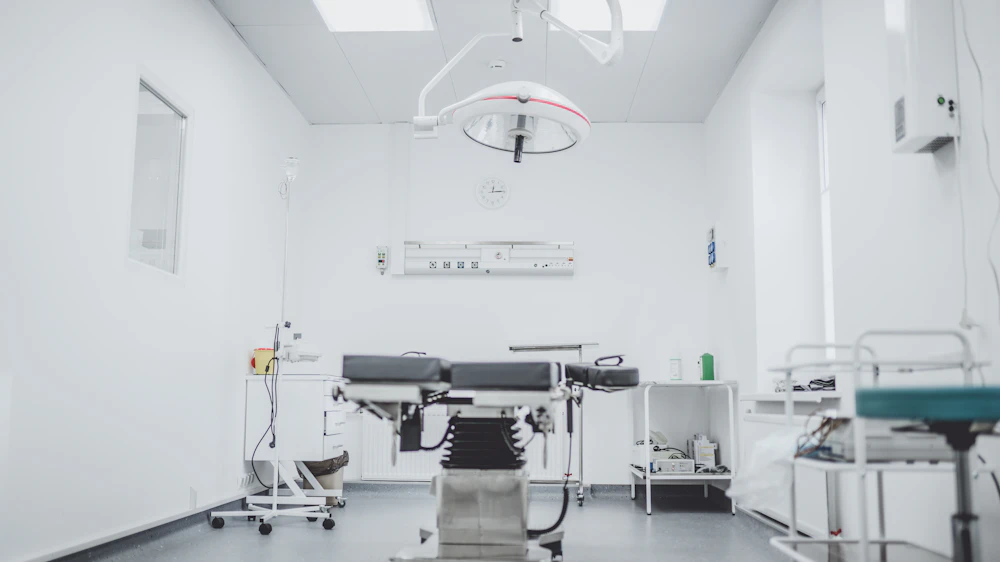
Figure 2: The clinic of 2026 is data-driven and preventative.
The Democratization of "High-End" Science
Just as Tesla started with a luxury roadster to fund the mass-market Model 3, longevity science is trickling down. Treatments that were once the domain of elite clinics—hyperbaric oxygen therapy, red light panels, and cryotherapy—are appearing in suburban strip malls.
Furthermore, the supplement industry is being forced to clean up its act. Consumers, armed with data from their wearables, are demanding proof of efficacy. The era of "proprietary blends" is ending, replaced by single-molecule precision: Urolithin A for mitochondrial health, Rapamycin for cellular cleanup, and specific peptides for recovery.
The future belongs to the durable. In a world of accelerating change, the ability to maintain peak cognitive and physical performance for decades is the ultimate wealth.

Key Takeaways
- Healthspan over Lifespan: The market focus has shifted from merely living longer to maintaining high functional capacity in later years.
- The Quantified Self 2.0: 2026 is defined by clinical-grade diagnostics (epigenetic clocks, continuous biomarkers) becoming consumer standards.
- Corporate Investment: Companies are treating employee healthspan as a critical asset, investing in preventative care to reduce burnout and healthcare costs.
- Standardization of Supplements: The market is moving away from "wellness blends" to single-molecule, verifiable compounds like Urolithin A and Rapamycin.
- Democratization of Tech: High-end therapies (HBOT, Cryo) are becoming accessible, moving from elite clinics to mainstream centers.
Welcome to Lexicon Labs
We are dedicated to creating and delivering high-quality content that caters to audiences of all ages. Whether you are here to learn, discov...
.jpg)
Related Reading
- Unlocking the Secrets to Ultimate Longevity
- How Can AI Boost Longevity: What Are the Experts Saying?
- Longevity Research: Progress and Predictions for the Year 2030
Stay Connected
Follow us on @leolexicon on X
Join our TikTok community: @lexiconlabs
Watch on YouTube: @LexiconLabs
Learn More About Lexicon Labs and sign up for the Lexicon Labs Newsletter to receive updates on book releases, promotions, and giveaways.


